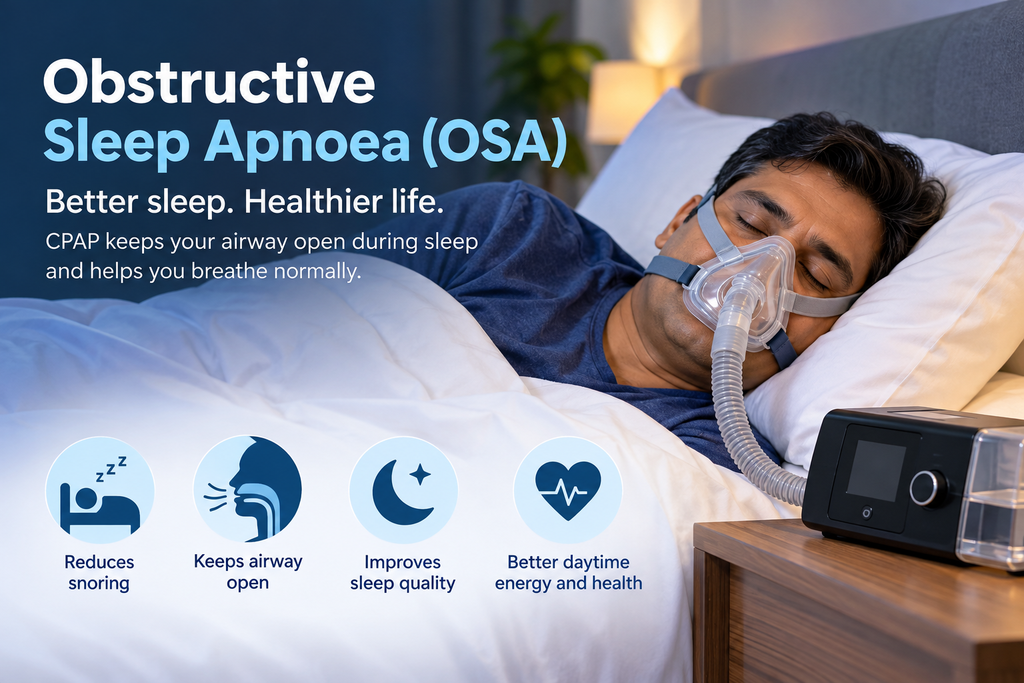
Understanding OSA
Obstructive sleep apnea happens when the airway repeatedly narrows or collapses during sleep, briefly stopping or reducing breathing. This fragments sleep and lowers blood oxygen levels — even if you don’t remember waking up.
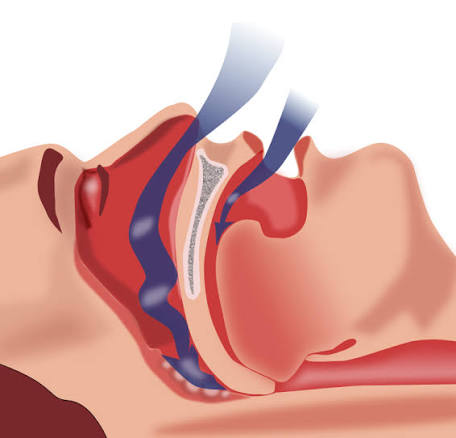
Common symptoms
• Loud, habitual snoring
• Witnessed pauses in breathing, choking, or gasping during sleep
• Excessive daytime sleepiness or fatigue
• Morning headaches
• Difficulty concentrating
Why it matters
Untreated OSA is linked to high blood pressure, heart disease, stroke, and increased risk of road traffic accidents from daytime drowsiness. It’s a medical condition, not just a nuisance for bed partners.
Screening usually starts with a questionnaire like STOP-BANG or the Epworth Sleepiness Scale, followed by a sleep study (polysomnography) to confirm the diagnosis and measure severity. If surgery is being considered, the airway anatomy — palate position, tonsil size, and BMI — is staged using the Friedman classification system.
Treatment options
• Weight management and lifestyle changes
• CPAP (continuous positive airway pressure) — the standard first-line treatment
• Oral appliances for mild-to-moderate cases
• Surgery (e.g. tonsillectomy, palatal surgery) for select patients where anatomy is a clear contributing factor
Curious whether your symptoms suggest OSA? Try our free STOP-BANG and Epworth Sleepiness Scale tools, or check your Friedman stage if you know your tonsil size and palate position.